
According to many reports, up to 80% of puppies and kittens are either born with or will quickly acquire intestinal parasites. The most common parasites are:

These parasites can cause a potbellied appearance and a dull coat. More severe symptoms are vomiting, diarrhea, and coughing. Adult worms can be coughed up or passed in the feces along with eggs. While the eggs are micoscopic the adult worms will be visible. They have a spaghetti like appearence.
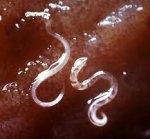
Microscopic intestinal worms that cause anemia and, in severe cases, death.

Long, flat, and segmented. Your pet gets this parasite by ingesting fleas, eating feces from an infected animal, or eating an infected animal. Tapeworm segments are passed in the feces. They resemble rice. The segments can also be found on the fur around the anus.

These are less prevalent, but once your pet is infected, it will take multiple treatments to rid them of this intestinal parasite. Because whipworm can lie dormant in the ground for a long time, you need to disinfect the dog’s area with a bleach solution.
8 weeks: first deworming
12 weeks: second deworming
6 months: first fecal exam
A fecal exam should be repeated yearly to ensure your pet remains free of intestinal parasites.
Intestinal parasites can cause many health problems for your pet. The parasite steals vital nutrients from its host, leaving the host unable to fight off other infections. Also, roundworms, hookworms, whipworms, and tapeworms can be transferred to humans.
Intestinal parasites live in our environment. They are in the dirt, sand, and water. They are deposited by other animals’ feces. Raccoon feces harbor roundworms. Rabbit feces will be inhabited by tapeworms. Keeping your yard clean and free of feces is the first step in preventing contamination. For dogs, you can keep them on a monthly heartworm preventive year-round that also covers intestinal parasites.




