
We have extensive experience with beef cattle, working with producers in the country as well as 3 livestock markets.
Pregnancy Diagnosis: This can be done as early as 30 days bred. Most often, we check for pregnancy in animals that are 3-6 months bred.
Fetal Sexing is becoming more common with registered cattle. This service is done via ultrasound between 55 and 80 days pregnant
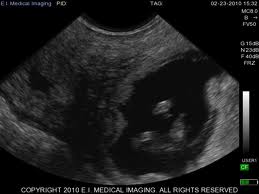
Bull Calf
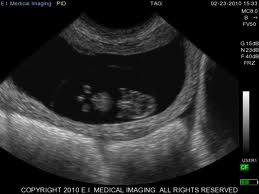
Heifer Calf
Due to a limited supply of Tetanus Anti-toxin again this year, we want to give our recommendations for late Summer/Fall castration procedures. Tetanus antitoxin is used at the time of banding or when using the Henderson tool for castrating to prevent Tetanus, which can kill cattle. We most commonly see symptoms shortly after unvaccinated cattle are banded.
This year, we highly recommend using a Clostridial (Blackleg) vaccine that includes Tetanus, 3-6 weeks prior to the procedure, repeating it 3 weeks after the first dose, and 2 weeks prior to the procedure, if not possible to run cattle through the chute three times, banding can be done on 2nd dose, but will not provide maximum protection. We know this is a change from the vaccination protocols we have assisted you with in the past, but it is important to do what is best for your cattle and reduce the risk of them dying from Tetanus.
Covexin 8 is the product that Anderson Veterinary Service P.A. will be using as our primary Clostridial plus Tetanus product this year. There is also Bar-Vac CD & T that has Tetanus vaccine in it, but it does not cover other strains of Clostridium that we need to vaccinate our cattle for. You can use it in addition to other Clostridial vaccines you have used in the past.
Covexin 8- September 1st
Covexin 8- September 25th (3-6 weeks later)
Castrate by banding- October 16th
(Banding at the second dose will not provide maximum protection)
The other alternative for castrating bull calves is knife cutting (surgical removal). Keep in mind that this procedure has increased risks of complications caused by bleeding in larger calves or calves on a high-grain diet. As you can see, this requires additional planning to complete vaccinations before the castration procedure.
Please talk to your herd veterinarian to help you with your plan for fall processing.




